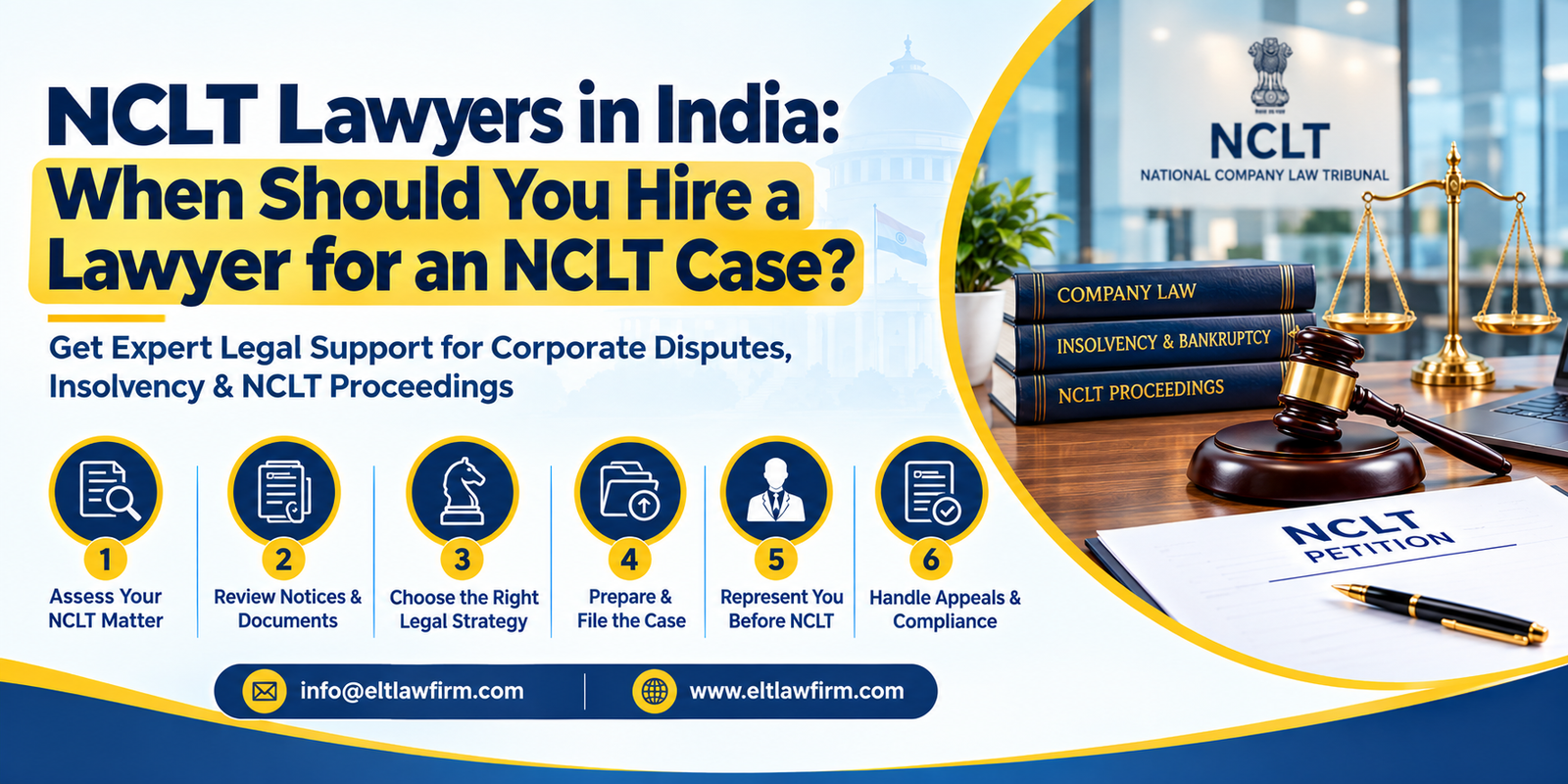
Introduction
The NCLT Lawyers in India play an important role when a company, director, shareholder, creditor, or other stakeholder becomes involved in a matter before the National Company Law Tribunal. NCLT deals with several corporate and insolvency-related matters, including insolvency proceedings, oppression and mismanagement, mergers, winding-up, and other company law issues.
For many businesses, an NCLT case can involve complicated legal provisions, documents, deadlines, hearings and procedural requirements. A small mistake in preparing or presenting a matter can create unnecessary delays or complications.
This is why it is useful to understand when you should hire NCLT Lawyers in India, what they can do for you, and how professional legal support can make the process easier to understand.
What Is NCLT?
The National Company Law Tribunal (NCLT) is a specialised quasi-judicial body established under the Companies Act, 2013. It was constituted on 1 June 2016 and handles various company law and insolvency matters.
NCLT also acts as the adjudicating authority for several proceedings under the Insolvency and Bankruptcy Code, 2016. Its functions include dealing with corporate insolvency resolution, oppression and mismanagement, mergers and amalgamations, winding-up and other matters provided under applicable laws.
Because these matters can directly affect a company’s operations, assets, management, or financial position, proper legal preparation is important.
When Should You Hire NCLT Lawyers in India?
You do not necessarily have to wait until a hearing date or serious dispute arises before consulting a lawyer. Early legal advice can help you understand your position and decide what action may be appropriate.
Here are some common situations where NCLT Lawyers in India can provide valuable assistance.
1. When You Receive an NCLT Notice
Receiving a notice from NCLT should not be ignored. The notice may require you to appear, respond to allegations or submit particular documents. A lawyer can review the notice, explain what it means, and help prepare an appropriate response within the applicable timeline.
2. When Your Company Is Facing Insolvency Proceedings
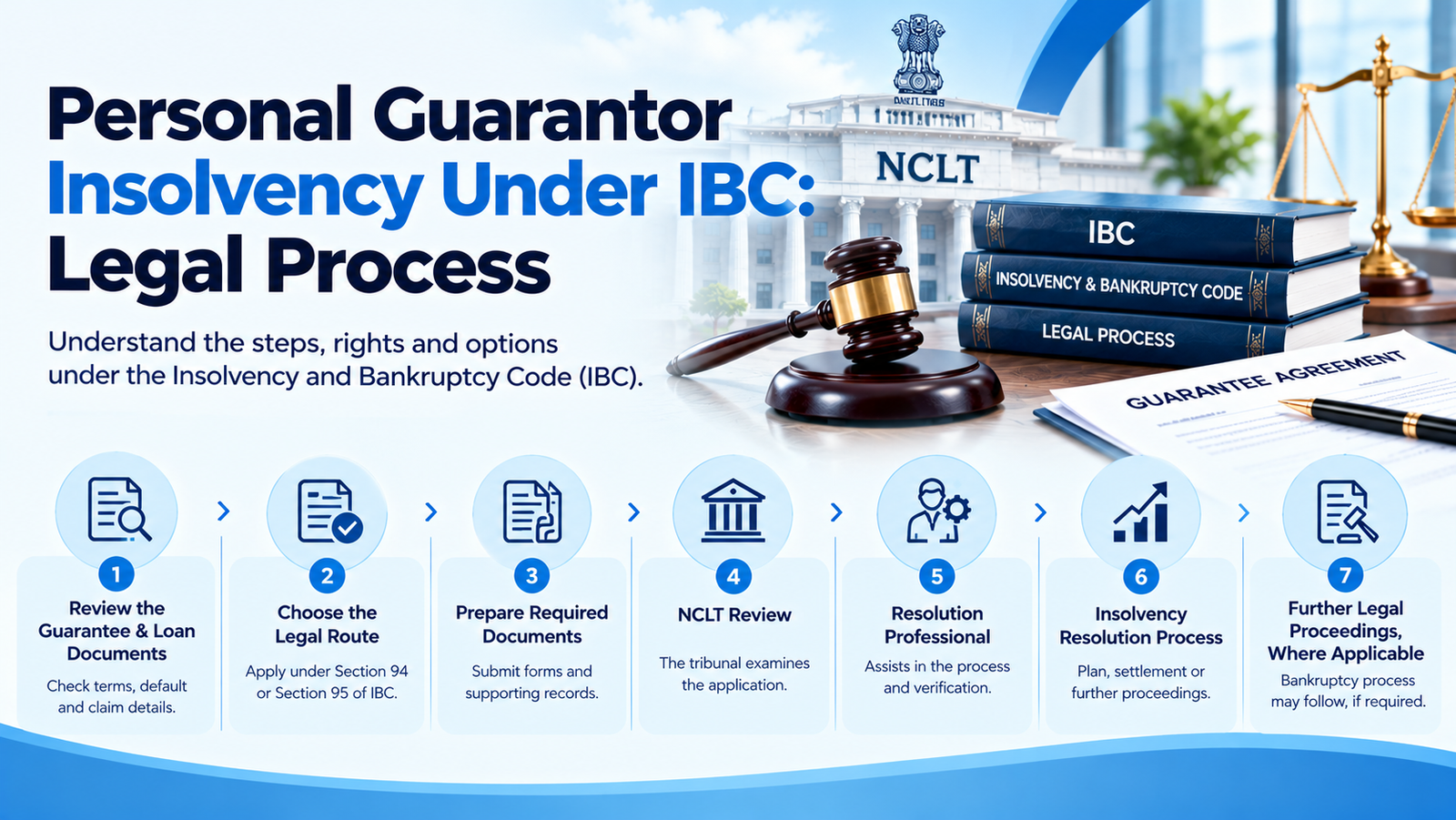
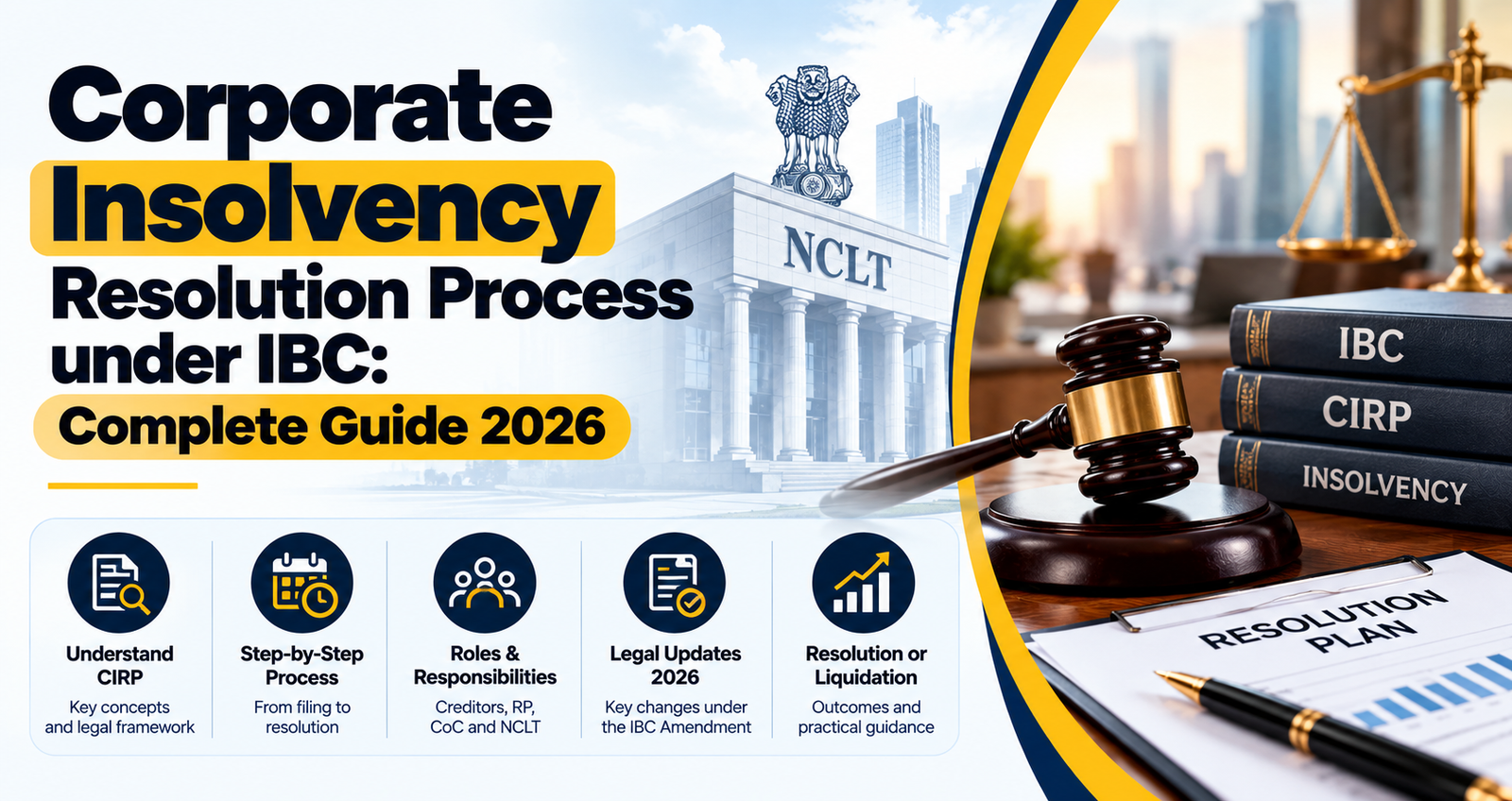
Corporate insolvency proceedings can have significant consequences for a company and its stakeholders. NCLT has jurisdiction to commence and adjudicate Corporate Insolvency Resolution Process (CIRP) cases. If your company is facing such proceedings, NCLT Lawyers in India can help you understand the proceedings, prepare documents, and represent your legal position.
3. When You Are a Creditor Seeking Recovery Through Legal Proceedings
Creditors may need legal assistance when a company fails to meet its financial obligations and the matter develops into formal insolvency proceedings. A lawyer can help assess the available legal route, review relevant records, and assist with preparation and filing of the necessary application.
4. When There Is Oppression or Mismanagement
Disputes between shareholders, directors and company management can sometimes become serious enough to require NCLT intervention.
NCLT’s functions include adjudicating matters involving oppression and mismanagement.
In such cases, NCLT Lawyers in India can help organise the facts, review company records and present the legal position before the Tribunal.
5. When Your Company Is Considering Winding-Up
Winding-up is a serious corporate matter because it can affect the company’s assets, creditors, employees and other stakeholders.
Professional legal advice can help a company understand the applicable procedure and the documents that may be required.
6. When There Is a Merger or Amalgamation Matter
Corporate restructuring, mergers and amalgamations may involve several legal and procedural requirements.
NCLT handles certain matters concerning compromises, arrangements, mergers and amalgamations.
Having NCLT Lawyers in India involved during the planning and filing stage can help ensure that the legal process is properly organised.
7. When You Need to Challenge or Respond to a Corporate Action
Shareholders or other stakeholders may sometimes have concerns regarding decisions taken by a company or its management.
Before taking action, it is important to understand the facts, available legal remedies, and supporting evidence. An NCLT lawyer can review the situation and explain the appropriate legal options.
What Do NCLT Lawyers in India Do?
The role of NCLT Lawyers in India can vary depending on the type of case. Their work may include:
- Understanding the client’s legal issue
- Reviewing company and financial documents
- Preparing legal applications and replies
- Drafting petitions and supporting documents
- Assisting with filing requirements
- Preparing arguments and submissions
- Representing clients during hearings
- Responding to notices and objections
- Advising on procedural requirements
- Keeping clients informed about case developments
The exact work required depends on the facts and nature of the NCLT matter.
What Types of Cases Can NCLT Lawyers Handle?
NCLT Lawyers in India may assist with a range of matters falling within NCLT’s jurisdiction, such as:
- Corporate insolvency matters
- Oppression and mismanagement disputes
- Winding-up matters
- Merger and amalgamation proceedings
- Reduction of share capital
- Restoration of a company’s name
- Rectification of the register of members
- Class action matters
- Certain matters involving personal guarantors
- Other company law proceedings handled by NCLT
The NCLT officially lists these among its functions and areas of jurisdiction.
Why Is Early Legal Advice Important?
One common mistake is contacting a lawyer only after a case has become complicated.
Early advice can help you:
- Understand the legal issue.
- Identify relevant documents.
- Understand possible options.
- Prepare a response properly.
- Avoid unnecessary procedural mistakes.
- Understand important timelines.
- Prepare for hearings more effectively.
For businesses, early legal planning can be especially useful because NCLT proceedings may affect management, creditors, shareholders and business operations.
Documents You May Need for an NCLT Case
The documents required will depend on the type of matter. Depending on the case, you may need documents such as:
- Company incorporation documents
- Memorandum and Articles of Association
- Board resolutions
- Shareholding records
- Financial statements
- Agreements and contracts
- Invoices and payment records
- Notices and correspondence
- Previous legal orders
- Loan or financing documents
- Corporate filings
- Relevant email or communication records
Your NCLT Lawyers in India can review the available documents and identify what may be relevant to the matter.
How to Choose NCLT Lawyers in India?
Choosing legal representation is an important decision. Before engaging a lawyer, consider:
Relevant NCLT Experience
Look for a lawyer or law firm familiar with NCLT procedures and company law matters.
Understanding of Your Case
Your lawyer should be able to understand your business situation rather than simply applying a general approach.
Clear Communication
Legal proceedings can be confusing. Choose professional support that explains the process in clear language.
Proper Documentation
A strong case requires organised documents and accurate information. Your legal team should give appropriate attention to documentation.
Transparent Professional Fees
Discuss the scope of work and professional fees before starting the engagement so that expectations are clear.
NCLT Filing and Hearing Process
Although the exact procedure depends on the case, an NCLT matter generally involves several stages.
Step 1: Understand the Dispute
The lawyer first reviews the facts, documents, and legal issue.
Step 2: Prepare the Application or Reply
The necessary petition, application, reply, or supporting documents are prepared according to the nature of the matter.
Step 3: Filing Before NCLT
The matter is filed through the applicable NCLT filing process. The official NCLT system provides facilities including e-filing, case history, cause lists, and other case-related services.
Step 4: Scrutiny and Procedural Compliance
The filing may be examined for defects or procedural requirements.
Step 5: Hearing
The parties may present their respective positions before the appropriate NCLT Bench.
Step 6: Order
After considering the matter, the Tribunal may pass an appropriate order according to the applicable law and facts of the case.
How Much Does an NCLT Lawyer Cost in India?
There is no single fixed fee for every NCLT case. Professional fees can vary depending on:
- Type of case
- Complexity of the dispute
- Number of hearings
- Amount of documentation involved
- Urgency of the matter
- Location and Bench
- Scope of legal representation
Therefore, it is better to discuss the expected scope of work and professional fees directly with the lawyer before engagement.
Common Mistakes to Avoid in an NCLT Case
Some common mistakes include:
- Ignoring an NCLT notice
- Missing an important deadline
- Submitting incomplete documents
- Providing inconsistent information
- Waiting until the last moment to seek legal advice
- Failing to maintain relevant company records
- Treating every corporate dispute as the same type of case
- Making legal submissions without properly reviewing the facts
Getting advice from NCLT Lawyers in India at an early stage can help reduce the risk of avoidable procedural problems.
When Do You Not Need a Lawyer?
Not every corporate question necessarily requires full litigation representation. Some matters may only require an initial legal consultation or document review.
However, if you have received an NCLT notice, are facing insolvency proceedings, are involved in a serious shareholder dispute or need to file a formal matter before the Tribunal, professional legal advice should be considered.
The appropriate level of legal assistance depends on the facts and complexity of the matter.
Conclusion
NCLT matters can involve important legal, financial and corporate consequences. Whether the issue relates to insolvency, shareholder disputes, oppression and mismanagement, winding-up, merger or another company law matter, understanding the procedure is important.
NCLT Lawyers in India can help businesses and stakeholders understand their legal position, prepare documents, respond to proceedings and present their case before the appropriate forum.
The earlier you understand your legal position, the easier it can be to plan the next step. For any specific NCLT matter, the appropriate legal strategy should be decided after reviewing the facts, documents, and applicable law.
How ELT Corporate Helps With NCLT Matters
ELT Corporate provides legal and corporate assistance for businesses and stakeholders dealing with NCLT-related matters. Our approach focuses on understanding the client’s issue first and then providing practical legal support based on the nature of the case.
Our assistance may include:
- Initial case assessment
- Review of relevant documents
- Legal research and case preparation
- Drafting of applications and replies
- NCLT filing assistance
- Representation and hearing support
- Corporate dispute assistance
- Insolvency-related legal support
- Shareholder and management dispute assistance
- Guidance throughout the proceedings
If you are looking for NCLT Lawyers in India, ELT Corporate can help you understand the available legal options and the next steps relevant to your situation.
Frequently Asked Questions About NCLT Lawyers in India
Q1. When should I hire NCLT Lawyers in India?
You should consider hiring a lawyer when you receive an NCLT notice, face insolvency proceedings, have a shareholder or management dispute, or need to file or defend a matter before NCLT.
Q2. What does an NCLT lawyer do?
An NCLT lawyer may review documents, prepare applications and replies, assist with filing, provide legal advice, and represent the client during proceedings.
Q3. Can a lawyer help with an NCLT notice?
Yes. A lawyer can review the notice, explain the issue, and help prepare an appropriate response based on the facts and applicable law.
Q4. Can NCLT lawyers handle insolvency cases?
Yes. Lawyers may assist companies, creditors, and other stakeholders in matters involving corporate insolvency proceedings before NCLT.
5. Can NCLT lawyers help with shareholder disputes?
Yes. Depending on the facts, legal professionals can assist with matters involving shareholder rights, oppression, mismanagement, and related corporate disputes.
Q6. How do I find NCLT Lawyers in India?
Look for a lawyer or law firm with relevant experience in company law, NCLT proceedings, and the specific type of dispute involved in your case.
Q7. What documents are required for an NCLT case?
Documents depend on the case. They may include company records, financial documents, agreements, notices, correspondence, resolutions, and other supporting evidence.
Q8. How long does an NCLT case take?
There is no fixed time for every NCLT case. The duration can depend on the nature of the matter, procedural requirements, documents, hearings, and other circumstances.
Q9. Can NCLT lawyers help before filing a case?
Yes. Early legal consultation can help you understand the issue, assess the available options, and prepare the required documentation before filing.
Q10. Why should I choose experienced NCLT Lawyers in India?
Experienced NCLT Lawyers in India can help you understand NCLT procedures, identify relevant legal issues, prepare documents, and present your position in a structured manner.